Business Analytics Tailored for Small Businesses
- kranupam247
- Dec 15, 2025
- 4 min read
In today’s competitive market, small enterprises in retail, technology, and hospitality face unique challenges. These businesses must navigate fluctuating customer demands, operational constraints, and evolving digital landscapes. To thrive, they require precise insights that inform decision-making and drive growth. Business analytics tailored for small enterprises offers a strategic advantage by transforming raw data into actionable intelligence. This article explores how small businesses can leverage analytics to optimise operations, enhance customer experiences, and achieve sustainable success.
Understanding Analytics for Small Enterprises
Analytics for small enterprises involves collecting, processing, and interpreting data relevant to business activities. Unlike large corporations with extensive resources, small businesses often operate with limited budgets and personnel. Therefore, adopting analytics solutions that are scalable, cost-effective, and user-friendly is essential.
Small enterprises can benefit from various types of analytics:
Descriptive Analytics: Summarises historical data to understand past performance.
Diagnostic Analytics: Identifies causes behind trends or anomalies.
Predictive Analytics: Forecasts future outcomes based on patterns.
Prescriptive Analytics: Recommends actions to optimise results.
For example, a retail store might use descriptive analytics to review monthly sales figures, diagnostic analytics to investigate a sudden drop in foot traffic, predictive analytics to anticipate seasonal demand, and prescriptive analytics to adjust inventory accordingly.
Implementing analytics requires a clear strategy. Businesses should start by defining key performance indicators (KPIs) aligned with their goals. These might include customer acquisition cost, average transaction value, or website conversion rates. Once KPIs are established, data collection methods such as point-of-sale systems, customer surveys, and website analytics tools can be deployed.

Practical Applications of Analytics for Small Enterprises
The practical benefits of analytics extend across various business functions. Here are some specific examples relevant to retail, technology, and hospitality sectors:
Retail
Inventory Management: Analytics can predict which products will sell quickly and which may become obsolete. This reduces overstock and stockouts.
Customer Segmentation: By analysing purchase history and demographics, retailers can tailor marketing campaigns to specific customer groups.
Pricing Strategy: Dynamic pricing models based on competitor analysis and demand fluctuations help maximise revenue.
Technology
Product Development: Usage data and customer feedback guide feature enhancements and bug fixes.
User Behaviour Analysis: Tracking how users interact with software enables optimisation of user experience.
Resource Allocation: Analytics help allocate development and support resources efficiently.
Hospitality
Demand Forecasting: Predicting peak booking periods allows better staff scheduling and resource planning.
Customer Satisfaction: Sentiment analysis of reviews identifies areas for service improvement.
Revenue Management: Analytics support pricing adjustments based on occupancy rates and market trends.
In each case, the goal is to convert data into insights that inform decisions, reduce costs, and increase customer satisfaction.
Leveraging Technology for Analytics Implementation
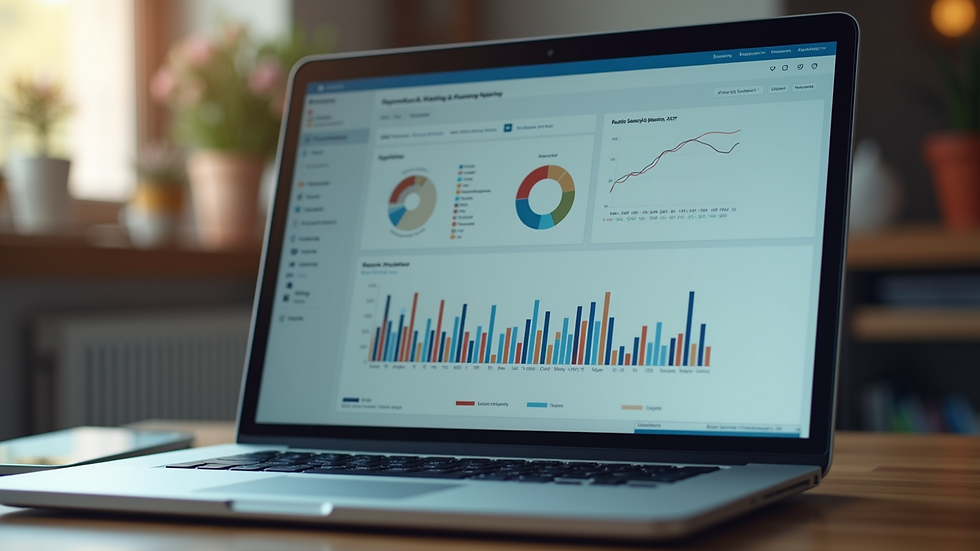
Small enterprises can access a variety of tools designed to simplify analytics adoption. Cloud-based platforms, for instance, offer scalable solutions without the need for significant upfront investment in hardware or software.
Key considerations when selecting analytics tools include:
Ease of Use: Interfaces should be intuitive to accommodate users without specialised data skills.
Integration: Tools must connect seamlessly with existing systems such as CRM, ERP, or e-commerce platforms.
Customisation: The ability to tailor dashboards and reports to specific business needs enhances relevance.
Support and Training: Vendors offering comprehensive support ensure smoother implementation.
Popular options include Google Analytics for web data, Microsoft Power BI for visualisation, and Tableau for advanced reporting. Additionally, industry-specific solutions may provide features tailored to retail, technology, or hospitality.
Overcoming Challenges in Analytics Adoption
Despite the clear benefits, small enterprises often encounter obstacles when integrating analytics into their operations. Common challenges include:
Data Quality: Inaccurate or incomplete data can lead to misleading conclusions.
Resource Constraints: Limited budgets and personnel may restrict analytics initiatives.
Change Management: Resistance to adopting new technologies or processes can hinder progress.
Data Privacy and Security: Ensuring compliance with regulations and protecting customer information is critical.
To address these issues, businesses should:
Establish Data Governance: Define standards for data collection, storage, and usage.
Start Small: Pilot projects focusing on specific problems can demonstrate value and build momentum.
Invest in Training: Equip staff with necessary skills to interpret and act on analytics insights.
Partner with Experts: Collaborating with specialised consultants can accelerate implementation and mitigate risks.
By proactively managing these factors, small enterprises can maximise the return on their analytics investments.
Driving Growth with Business Analytics
The strategic application of business analytics for small businesses empowers enterprises to make informed decisions that foster growth. For example, a hospitality business might use analytics to identify underperforming services and reallocate resources to more profitable offerings. Similarly, a technology startup could analyse user engagement data to prioritise feature development that enhances retention.
Moreover, analytics facilitates continuous improvement by enabling businesses to monitor performance against objectives and adjust strategies accordingly. This iterative approach supports agility in dynamic markets.
To fully realise these benefits, small enterprises should:
Align Analytics with Business Goals: Ensure data initiatives support overarching objectives.
Foster a Data-Driven Culture: Encourage decision-making based on evidence rather than intuition.
Leverage Predictive Insights: Anticipate trends and customer needs to stay ahead of competitors.
Measure Impact: Regularly assess the effectiveness of analytics efforts and refine approaches.
Through disciplined application of analytics, small enterprises can unlock new opportunities and sustain competitive advantage.
Sustaining Success Through Analytics
Sustaining success requires ongoing commitment to data-driven practices. As markets evolve, so too must the analytics strategies that support business growth. Small enterprises should continuously evaluate emerging technologies, update data policies, and invest in skill development.
Furthermore, collaboration with trusted partners can provide access to specialised knowledge and resources. By integrating analytics into the core of their operations, small businesses position themselves for long-term resilience and prosperity.
In summary, business analytics tailored for small enterprises is not merely a technical tool but a strategic asset. It enables precise understanding of market dynamics, customer behaviour, and operational efficiency. With thoughtful implementation and sustained focus, small businesses in retail, technology, and hospitality can harness analytics to achieve lasting success.


Comments